Jiede Fabric is a Professional Custom Fashion Apparel Fabric Manufacturer & Supplier Since 2013.
Language
Jiede Fabric is a Professional Custom Fashion Apparel Fabric Manufacturer & Supplier Since 2013.
With so many knitted fabric types, it can be challenging to know where to start or, ultimately, which fabric to use for your clothing or projects. Choosing woven fabrics also includes weft knits, warp knits, rib knits, tricot knits, technical knits, and so on, if you want to get specific. This article intends to help you understand the primary types of knitted materials, what characteristics go into these types of fabrics, and how to use them.
After you read this article, you will have all the information and knowledge to choose knitted textiles for t-shirts, sweatshirts, dresses, athletic clothing, and even home decor.
There are two general types of knitted fabrics: weft knitted fabrics and warp knitted fabrics. Each type of fabric has different constructions, stretch capacity, and end uses. Knowing and understanding both types of knits lead to more informed fabric choices for your project and more design decisions when creating a garment pattern.
Weft materials are fabricated by looping yarns across the fabric horizontally. This fabric is constructed with a soft hand, elongates for more stretch ability, and allows for the best comfort when worn. Because of the stretch within the weft knitted material, it gives a drapey quality, and adds movement and comfort for your body. The weft knitted fabric would be a good selection for tees, dresses, leggings, and other active wear that will allow for movement in your body.
In addition to their comfort and fluid drape, weft knits are fairly simple to produce in color, texture, and design, which makes them a more versatile video character for designers.
Warp knitted fabrics, unlike weft knitted fabrics, have yarn looped vertically along the length of the fabric, giving them added stability and durability, accompanied by less stretch than the weft knits. Warp knits are commonly used in fabric for lingerie, sports, lace, mesh, and other decorative fabrics that need to hold their form during wear. Warp knits also have a greater resistance to runs, or ladders, making them perfect fabrics for garments that are expected to last.
Recognizing these two basic types is the first step to becoming acquainted with the varying types of knitted textiles. Once you grasp this basic concept, it will be easy to select the appropriate fabric for comfort, durability, or other design inquiries.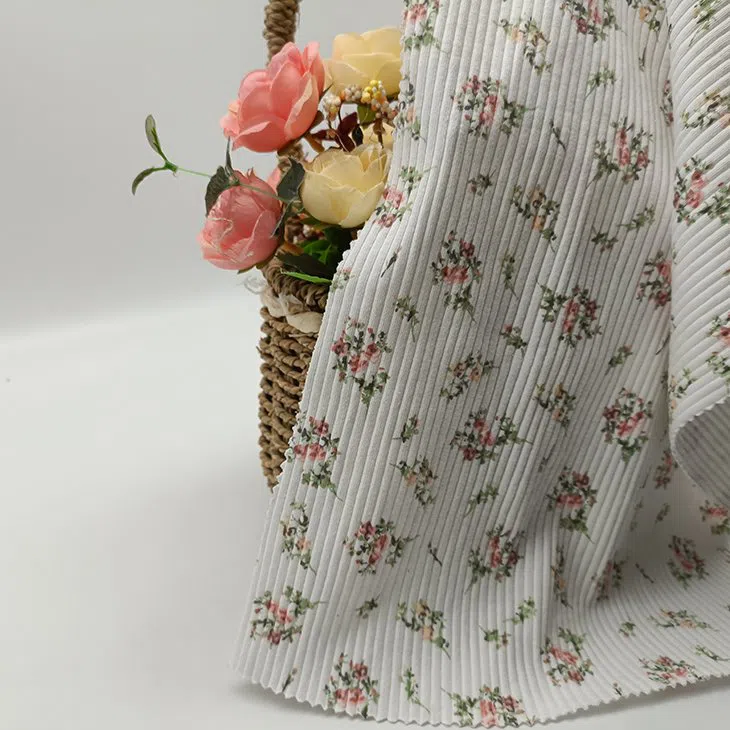
As mentioned above, one of the characteristics of weft knitted fabrics is stretch, comfort, and versatility. If you have ever felt how soft your t-shirt feels, or how your leggings hug your body like a second skin, it most likely is made from a weft knit and yarn!
Let's take a look at the main types, and what makes each type different.
A single jersey knit fabric is the simplest, most common weft knit. One side has smooth, "V", shaped loops (the front), while the other side has variation in texture (the back). When you layer in the softness, breathability, lightweight, and overall comfort, single jersey is the perfect knit for t-shirts, casual wear, and, yes, even baby clothes. Smooth front surfaces make this knitted material perfect for all kinds of colorful and fun printed designs.
Rib knit can be identified almost immediately by raised vertical ribs in the fabric itself. Because of the very nature of the rib knit weave, which has stretch ability and forms/snap back into shape, is why rib knits are frequently used at cuffs, collars, and waistbands, because it is made with plenty of stretch.
Interlock knit is a double-knit fabric, which means it is a heavier and stable fabric. Interlock has the same smooth finish on both sides of the fabric, and does not curl at the edges like a single jersey fabric. For this reason, interlock is often used in more structured pieces like dresses, skirts, and activewear. It is soft, but stable and is the perfect cohesive blend of comfort and durability in one fabric construction.
Purl knit is now best known for having a unique, texture, reversible appearance. Other types of weft knits have the same finish on either side of the fabric, but purl knits show the right and wrong sides with two completely different facial surface appearances. Purl knit is a good fabric for decorative garments; stadium gear, or over-the-top sweaters, scarves or fashion items where a unique, yet significant look is sought.
Jacquard knit fabric gives each designer more creativity within the fabric itself. The pattern and/or design are made into the very body of the fabric, so the designer doesn't have to add that step of printing or embroidering later on. Jacquard knit is good for clothing items or textiles for the home, such as, cushion covers, throws, or statement sweaters - meeting functionality and fashion in one fabric creation.
Warp knitted materials offer less stretch than weft knits but more stability, durability, and resistance to runs. If you have ever worn lingerie, sportswear, or somehow used lace fabrics, you have seen or worn a warp knit. Let's explore the main types and what makes each special.
Tricot is a smooth material on the front side, while the back side of the fabric has fine vertical ribs. Tricot has a lightweight, soft and stretchy feel; therefore, it is great for use as lingerie, linings, and other activewear, to name a few examples. Tricot fabric has an interesting soft feel against the skin, stretchiness for comfort, and stability in terms of holding shape after repeated wear and washes.
Raschel is identified due to its openness of fabric; with a lace-like structure, Raschel is used as a decorative, yet strong fabric in lace fabrics, curtains, and as part of mesh. Aesthetically the fabric offers a beauty in patterned clothing or home textiles, while maintaining durability, thus, is reasonable in terms of functional fabric and fashion.
Milanese knit is a very dense, two-sided knit fabric. This means it is thick, stable, and offers warmth and some structure in the fabric, while also being completely smooth on the surface. Because of this, Milanese knit is often used to create winter garments, jackets, and structured look pieces in fashion. If fabrics are thoughtfully and tightly constructed, they will typically last longer, hold their shape, and since they tend to be more luxurious and/or high-end, there is less risk of wear in Milanese knits.
Spacer knit is an example of modern warp knit fabrics, as it is a reversible fabric that has been fabricated into a three-dimensional fabric with a soft layer of air situated somewhere between the top and bottom surfaces of woven fabric. This soft layer provides breathable comfort, cushioning, and lightweight. Spacer knit is commonly used in active wear or sportswear, footwear, and technical textiles where stability, breathability, ventilation, and comfort are of utmost importance.
Knit fabrics are also used in many ways and in a variety of ways; for example, they may be used for garments, home decor, and/or technical textiles. A quick summary of the different autilus warp-knitted and weft-knitted materials would include:
1. Single Jersey & Interlock: T-shirts, casual dresses, leggings, loungewear
2. Rib Knit: Cuffs, collars, waistbands for flexibility and fit
3. Purl & Jacquard Knit: Decorative sweaters, scarves, statement fashion pieces
1. Tricot Knit: Lingerie, activewear, linings
2. Raschel Knit: Lace fabrics, curtains, mesh garments
3. Milanese Knit: Structured garments, winter clothing
4. Spacer Knit: Sportswear, footwear, breathable textiles
1. Upholstery, curtains, decorative throws (warp knits)
2. Sports gear, car seats, orthopedic products (spacer knits)
These applications show how different knitted materials balance comfort, style, and durability depending on their type.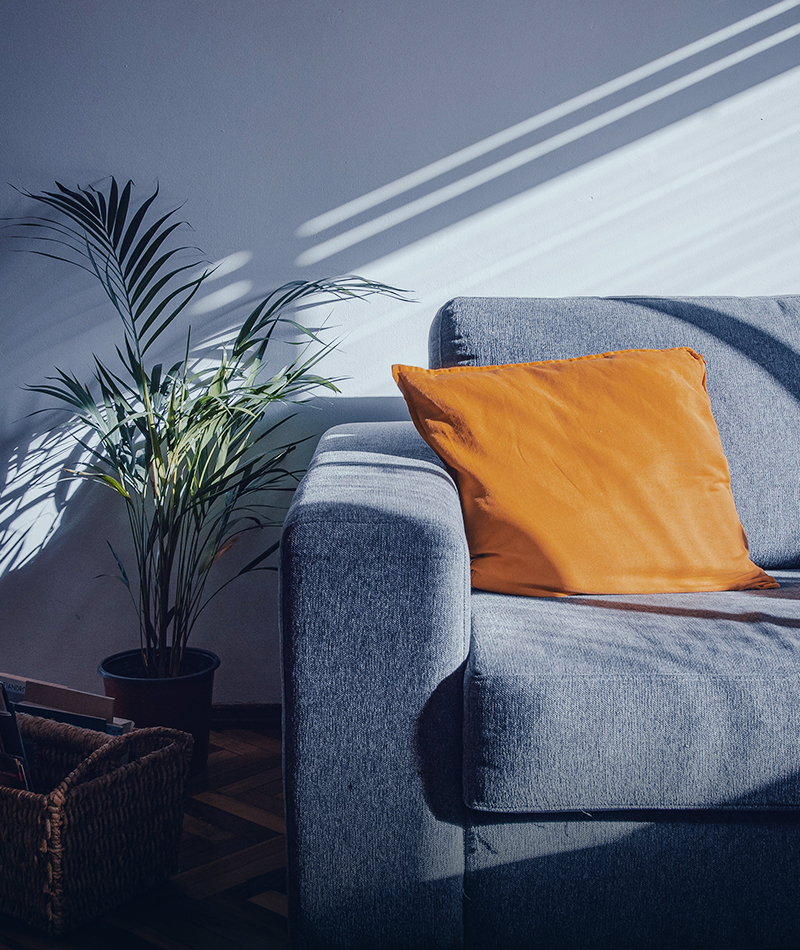
Knitted fabrics are available in a large variety of types, each with advantages and purposes. Weft knitted fabrics are soft, stretchy, and wonderful for soft attire. Warp knitted materials are stable and fairly sturdy, and are suitable for items that require a structured or embellishing component. You can understand more specific subcategories and their applications in the knit fabric world.
So, you can select the appropriate fabric for fashion, performance, or décor textiles. With the direction of sustainability, functionality, and design being introduced into our community, knitted textiles have been dominated by new evolution and will provide more option and creative outlet to everyone.

Jiede as one of the experienced apparel fabric manufacturer which can help you solve all your needs and problems in fashion fabrics.